

Can I install decorative tiles myself?
Jul 18, 2025
Leave a message
Hey there! I'm a supplier of decorative tiles, and I often get asked, "Can I install decorative tiles myself?" Well, let's dig into this question and find out if you're up for the tile - installation challenge.
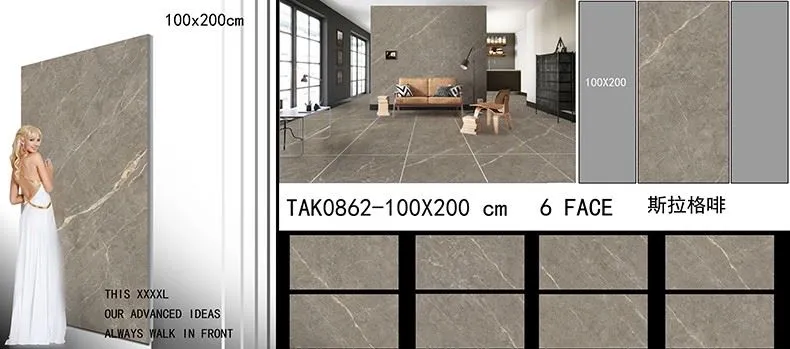
First off, let me tell you a bit about the decorative tiles we offer. We've got a wide range of options, like the Brown Glazed Polished Tiles. These tiles have a rich, warm brown color that can add a touch of elegance to any space. Then there are the Ivory Vein Glossy Ceramic Tiles, which feature beautiful ivory veins that give a luxurious look. And for those who prefer a more modern and sleek style, our Black Glossy Porcelain Tiles are a great choice.
Now, back to the question of self - installation. The short answer is yes, you can install decorative tiles yourself, but it's not as easy as it might seem at first glance.
The Pros of DIY Tile Installation
One of the biggest advantages of installing tiles on your own is the cost savings. Hiring a professional tile installer can be pretty expensive. By doing it yourself, you can save a significant amount of money. You'll only need to pay for the tiles, the necessary tools, and the tile adhesive and grout.
Another pro is the sense of accomplishment. There's nothing quite like looking at a room with newly installed tiles and knowing that you did it all by yourself. It can boost your confidence and give you a new skill that you can use in future home improvement projects.
The Cons of DIY Tile Installation
However, there are also some drawbacks. First of all, tile installation requires a certain level of skill and patience. If you're not experienced, you might end up with uneven tiles, crooked lines, or poor - fitting tiles. This can not only look bad but also lead to problems down the road, like tiles coming loose or water seeping under the tiles.
Tile installation can also be time - consuming. It's not a one - day project, especially if you're working on a large area. You'll need to measure the space accurately, cut the tiles to the right size, and allow enough time for the adhesive to dry and the grout to set.
What You Need for Tile Installation
If you've decided to take on the challenge of DIY tile installation, here's what you'll need:
Tools
- Tape measure: To measure the area where you'll be installing the tiles and to cut the tiles to the right size.
- Tile cutter: There are different types of tile cutters, from manual ones for small jobs to electric ones for larger projects.
- Notched trowel: This is used to apply the tile adhesive evenly on the surface.
- Grout float: For applying the grout between the tiles.
- Spacers: These help to keep an even gap between the tiles.
Materials
- Tiles: Of course, you'll need to choose the right tiles for your project. Consider the style, color, and size that will work best in your space.
- Tile adhesive: Make sure to choose an adhesive that is suitable for the type of tiles you're using and the surface you're installing them on.
- Grout: There are different types of grout, such as sanded and unsanded. Sanded grout is better for larger gaps between tiles, while unsanded grout is used for smaller gaps.
The Installation Process
Step 1: Prepare the Surface
The first step is to prepare the surface where you'll be installing the tiles. This might involve cleaning the surface, removing any old tiles or debris, and making sure it's level. If the surface is uneven, you might need to use a leveling compound.

Step 2: Layout the Tiles
Before you start applying the adhesive, lay out the tiles on the surface to see how they will fit. This will help you make any necessary adjustments and ensure that you have enough tiles.
Step 3: Apply the Adhesive
Use the notched trowel to apply the tile adhesive to the surface. Make sure to spread it evenly and in small sections at a time, as the adhesive can dry quickly.
Step 4: Install the Tiles
Carefully place the tiles on the adhesive, using the spacers to keep an even gap between them. Press the tiles firmly into the adhesive and make sure they are level.
Step 5: Cut the Tiles
You'll likely need to cut some of the tiles to fit around corners, edges, or fixtures. Use the tile cutter to make the cuts. Be careful when handling the cut tiles, as they can be sharp.
Step 6: Grout the Tiles
Once the adhesive has dried, it's time to grout the tiles. Use the grout float to apply the grout between the tiles, making sure to fill all the gaps. Wipe off any excess grout with a damp sponge.
Step 7: Clean and Seal
After the grout has dried, clean the tiles again to remove any remaining grout haze. You might also want to seal the grout to protect it from stains and water damage.
Tips for a Successful DIY Tile Installation
- Measure twice, cut once: This is a golden rule in any DIY project. Make sure to measure the space accurately and double - check your measurements before cutting the tiles.
- Practice on scrap tiles: If you're new to tile cutting, practice on some scrap tiles first to get the hang of it.
- Take your time: Don't rush the process. Allow enough time for each step, especially for the adhesive and grout to dry.
Conclusion
So, can you install decorative tiles yourself? Absolutely! But it's important to be realistic about your skills and the amount of time and effort you're willing to put into the project. If you're up for the challenge, DIY tile installation can be a rewarding experience.
If you're interested in our range of decorative tiles for your next project, we'd love to hear from you. Whether you're a DIY enthusiast or planning to hire a professional installer, we can provide you with high - quality tiles at competitive prices. Contact us to start discussing your tile needs and let's create a beautiful space together.
References
- Home Depot. "Tile Installation Guide."
- Lowe's. "DIY Tile Installation Tips."