

Do soft wood grain tiles have a high or low friction coefficient?
Jun 12, 2025
Leave a message
Soft wood grain tiles have gained significant popularity in recent years, not only for their aesthetically pleasing appearance that mimics the natural beauty of wood but also for their practicality in various settings. One of the key considerations when choosing floor tiles is the friction coefficient, which plays a crucial role in determining safety, especially in areas prone to moisture or high foot traffic. In this blog, as a supplier of Soft Wood Grain Tiles, I will delve into the topic of whether soft wood grain tiles have a high or low friction coefficient.
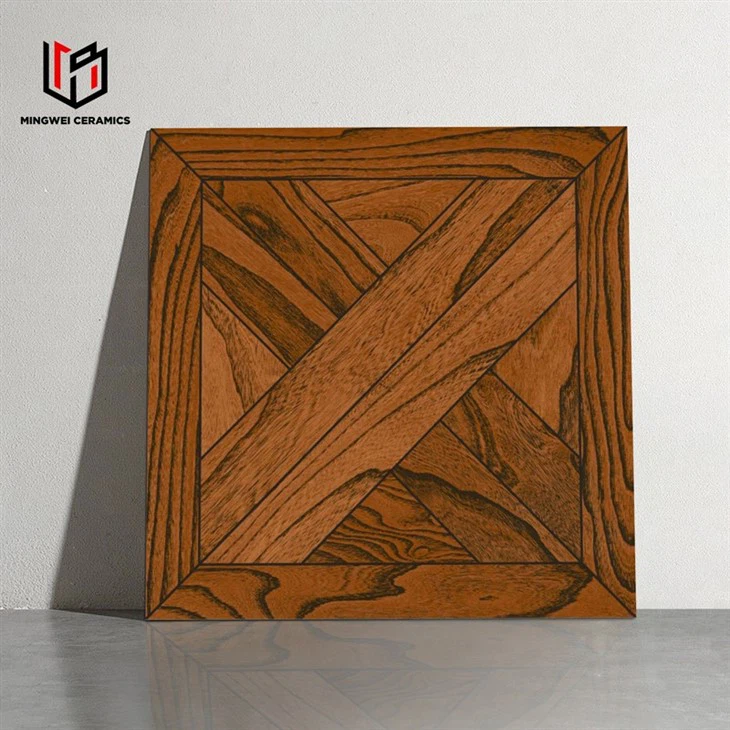

Understanding the Friction Coefficient
The friction coefficient is a measure of the resistance to sliding between two surfaces in contact. A higher friction coefficient indicates greater resistance to sliding, which means better traction and a lower risk of slipping. On the other hand, a lower friction coefficient implies less resistance, making the surface more slippery. When it comes to flooring, the friction coefficient is a critical factor in ensuring the safety of individuals walking on it, particularly in areas such as bathrooms, kitchens, and outdoor spaces where the floor may become wet.
Factors Affecting the Friction Coefficient of Soft Wood Grain Tiles
Several factors can influence the friction coefficient of soft wood grain tiles. These include the tile's surface finish, texture, and the materials used in its production.
Surface Finish
The surface finish of soft wood grain tiles can vary from glossy to matte. Glossy tiles tend to have a lower friction coefficient because they have a smoother surface, which reduces the contact area between the tile and the sole of a shoe. This makes them more slippery, especially when wet. In contrast, matte finish tiles have a rougher surface, which increases the friction between the tile and the shoe, resulting in a higher friction coefficient. As a supplier, we offer Wooden Style Matt Finish Porcelain Tiles that provide excellent traction, making them a safer choice for areas where slip resistance is a concern.
Texture
The texture of the tile also plays a significant role in determining its friction coefficient. Tiles with a more pronounced texture, such as those with embossed patterns or grooves, tend to have a higher friction coefficient. This is because the texture creates more points of contact between the tile and the shoe, increasing the resistance to sliding. Our soft wood grain tiles are designed with various textures to enhance their slip resistance. For example, our Matte Mosaic Tile features a unique mosaic pattern that not only adds visual interest but also provides better traction.
Materials
The materials used in the production of soft wood grain tiles can also affect their friction coefficient. Tiles made from certain materials may have inherent properties that contribute to better slip resistance. For instance, porcelain tiles are known for their durability and resistance to wear and tear. They can be engineered to have a higher friction coefficient by incorporating special additives or surface treatments during the manufacturing process. Our soft wood grain porcelain tiles are carefully formulated to provide optimal slip resistance without compromising on their aesthetic appeal.
Testing the Friction Coefficient
To determine the friction coefficient of soft wood grain tiles, various testing methods can be used. One commonly used method is the pendulum test, which measures the slip resistance of a surface by using a pendulum device. The pendulum is swung across the tile surface, and the amount of energy absorbed by the surface is measured. The higher the energy absorption, the higher the friction coefficient.
Another method is the ramp test, where a test surface is inclined at a specific angle, and a shoe is placed on the surface. The angle at which the shoe starts to slide is measured, and this angle is used to calculate the friction coefficient. These tests provide objective data on the slip resistance of the tiles, allowing consumers to make informed decisions when choosing the right flooring for their needs.
Applications and Safety Considerations
The friction coefficient of soft wood grain tiles has important implications for their applications. In areas where safety is a top priority, such as commercial kitchens, hospitals, and public restrooms, tiles with a high friction coefficient are essential. Our Matte White Tiles are an ideal choice for these applications, as they offer both a clean and modern look and excellent slip resistance.
In residential settings, soft wood grain tiles can be used in various rooms, including bathrooms, kitchens, and entryways. However, it is important to consider the specific needs of each area. For example, in a bathroom, where the floor is likely to be wet, choosing tiles with a high friction coefficient is crucial to prevent slips and falls. In a living room or bedroom, where the risk of slipping is lower, the aesthetic appeal of the tiles may be the primary consideration.
Conclusion
In conclusion, the friction coefficient of soft wood grain tiles can vary depending on several factors, including the surface finish, texture, and materials used. Generally, matte finish tiles with a pronounced texture and high - quality materials tend to have a higher friction coefficient, making them a safer choice for areas where slip resistance is important. As a supplier of Soft Wood Grain Tiles, we are committed to providing products that not only look great but also meet the highest safety standards.
If you are interested in purchasing our soft wood grain tiles or have any questions about their friction coefficient and suitability for your project, we encourage you to contact us for a procurement discussion. Our team of experts is ready to assist you in selecting the right tiles for your specific needs.
References
- ASTM International. (20XX). Standard test methods for slip resistance.
- Tile Council of North America. (20XX). Guidelines for tile installation and safety.