

How to install green ceramic tiles on a curved surface?
Jun 13, 2025
Leave a message
Hey there! I'm a supplier of Green Ceramic Tiles, and today I'm gonna share with you how to install green ceramic tiles on a curved surface. It might sound a bit tricky, but with the right steps and a bit of patience, you can achieve a beautiful and professional - looking result.
1. Planning and Preparation
First things first, you need to have a solid plan. Measure the curved surface accurately. You can use a flexible measuring tape to get the length, width, and the degree of curvature. This will help you determine how many tiles you'll need. Don't forget to add a few extra tiles to account for any cutting mistakes or breakages.
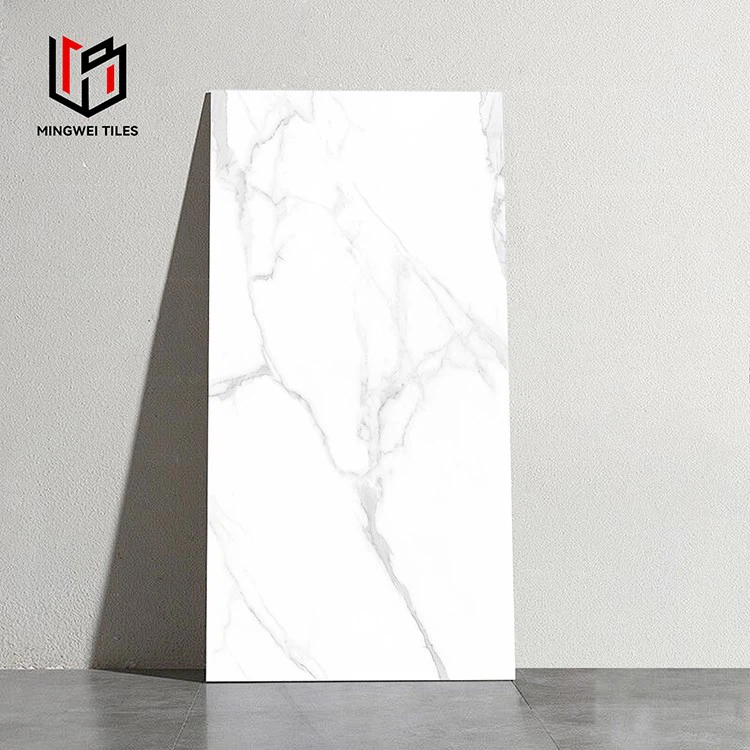
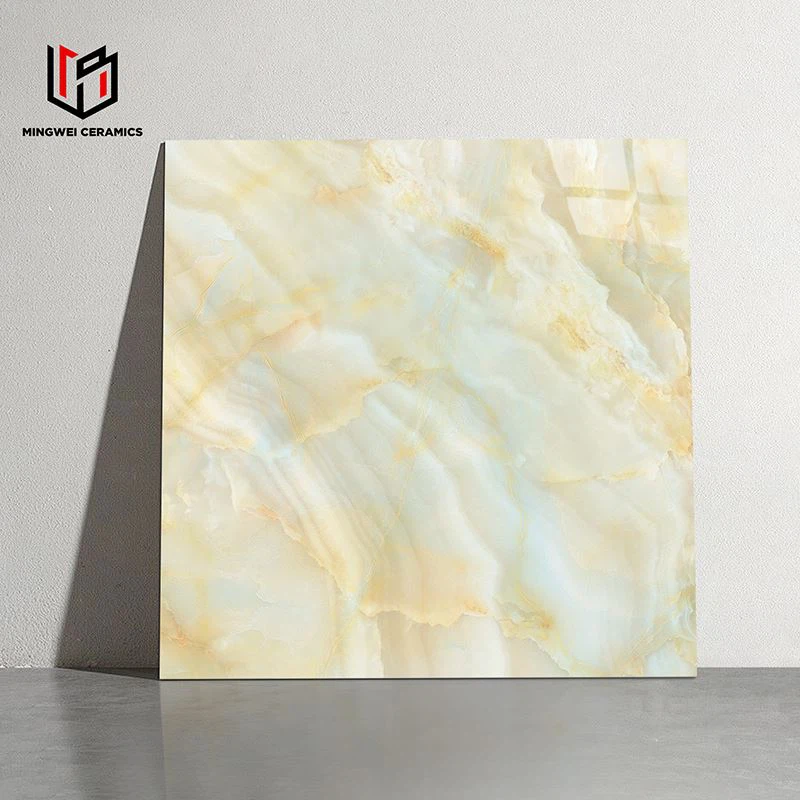
When it comes to choosing the right green ceramic tiles, we've got a great variety. You might be interested in our Splicing Wood Grain tiles. They offer a unique and natural look that can add a touch of warmth to your curved surface project. Or if you prefer a more shiny and modern look, our Glazed Glossy Ceramic Tile is a great option. And for a luxurious feel, check out our Warm Colored Marble tiles.
Gather all the tools you'll need. You'll need a tile cutter, preferably a wet saw for better precision when cutting curved tiles. A notched trowel is essential for spreading the tile adhesive evenly. You'll also need a rubber mallet to tap the tiles into place, a level to ensure the tiles are straight, and a grout float for applying the grout later.
2. Surface Preparation
The curved surface needs to be clean and smooth. Remove any dirt, dust, or old paint. If there are any bumps or rough spots, sand them down. A clean surface will ensure that the tile adhesive bonds well with the surface and the tiles.
If the surface is porous, you might want to apply a primer. This helps to seal the surface and prevent the adhesive from being absorbed too quickly, which could lead to a weak bond. Let the primer dry completely according to the manufacturer's instructions before moving on to the next step.
3. Cutting the Tiles
Cutting tiles for a curved surface is different from cutting them for a straight one. Start by making a template of the curve using cardboard or thin plywood. Trace the template onto the back of the tile.
For smaller curves, you can use a tile nipper to carefully break off small pieces along the traced line. For larger curves, a wet saw is your best bet. Set the saw to the appropriate angle and slowly cut along the traced line. Make sure to wear safety goggles and gloves to protect yourself from flying tile fragments.
Take your time with each cut. It's better to make small, precise cuts than to rush and end up with a poorly cut tile. You can always test - fit the cut tile on the curved surface to make sure it fits properly.
4. Applying the Adhesive
Once you have your cut tiles ready, it's time to apply the tile adhesive. Use a notched trowel to spread the adhesive on the curved surface. Start at the bottom of the curve and work your way up. The notches on the trowel will create ridges in the adhesive, which helps the tiles to grip better.
Don't spread too much adhesive at once, as it can dry out quickly. Only spread an area that you can cover with tiles within 15 - 20 minutes.
5. Installing the Tiles
Carefully place the first cut tile onto the adhesive - covered surface. Press it firmly into place and use a rubber mallet to tap it gently. Make sure the tile is level and aligned with the adjacent tiles. You can use tile spacers to keep an even gap between the tiles for grouting later.
Continue installing the tiles one by one, working your way up the curve. As you go, check the alignment and level of each tile. If a tile is not sitting properly, you can lift it up carefully, add more adhesive if needed, and re - place it.
6. Grouting
After the tiles are installed and the adhesive has dried (usually after 24 - 48 hours), it's time to grout. Mix the grout according to the manufacturer's instructions. Use a grout float to apply the grout to the gaps between the tiles. Hold the float at a 45 - degree angle and press the grout into the gaps firmly.
Wipe off the excess grout from the tile surface with a damp sponge. Make sure to clean the sponge frequently to avoid leaving grout residue on the tiles. Let the grout dry for a few hours, then use a dry cloth to buff the tiles and give them a clean, finished look.
7. Finishing Touches
Once the grout is completely dry, you can apply a tile sealer. This helps to protect the tiles and the grout from stains and moisture. Follow the manufacturer's instructions for applying the sealer.
Inspect the installed tiles carefully. Look for any loose tiles or uneven grout lines. If you find any issues, you can fix them before the sealer fully cures.
8. Maintenance
To keep your green ceramic tiles on the curved surface looking great, regular maintenance is key. Clean the tiles with a mild detergent and a soft cloth or mop. Avoid using abrasive cleaners, as they can scratch the tile surface.
If you notice any stains or dirt buildup, spot - clean the affected area immediately. You can also re - apply the tile sealer every few years to maintain the protection.
Well, there you have it! That's how you install green ceramic tiles on a curved surface. It's a bit of a challenging project, but the end result is definitely worth it. If you're interested in purchasing our high - quality green ceramic tiles for your project, feel free to reach out to us. We're always here to help you with your tile needs and answer any questions you might have. Whether you're a DIY enthusiast or a professional contractor, we've got the tiles and the expertise to make your project a success.
References
- Tile Installation Guidebooks from leading tile manufacturers
- Online resources on home improvement and tile installation
- Personal experience and expertise in the tile industry