

How to prevent algae growth on matte ceramic tiles in a pool area?
May 26, 2025
Leave a message
Hey there! As a supplier of matte ceramic tiles, I've seen firsthand how pesky algae growth can be in pool areas. Algae not only looks ugly on your beautiful matte ceramic tiles but can also make the surface slippery, posing a safety hazard. So, I'm here to share some tips on how to prevent algae growth on matte ceramic tiles in a pool area.
Understanding Why Algae Loves Pool Tiles
First off, let's talk about why algae is so attracted to pool tiles. Algae are tiny plants that need three things to grow: sunlight, water, and nutrients. In a pool area, there's obviously plenty of water. The sunlight can easily reach the tiles, especially if your pool is outdoors. And the nutrients? Well, they can come from things like leaves, dirt, and even body oils from swimmers.
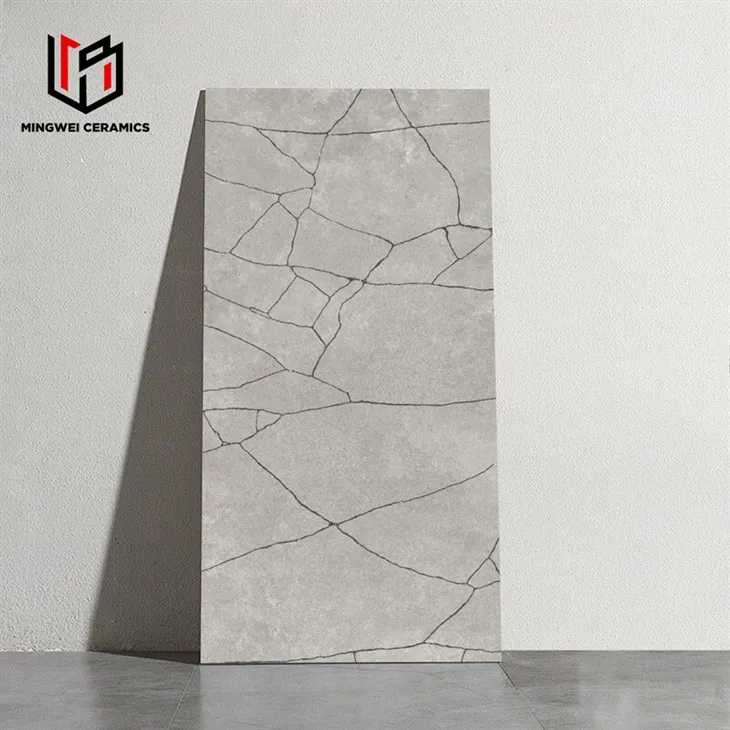
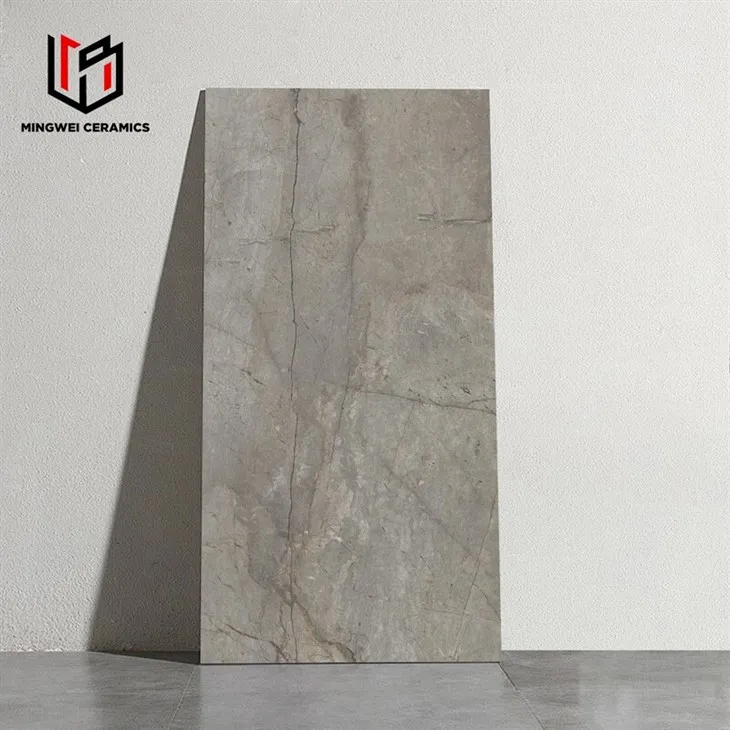
Matte ceramic tiles are a bit more prone to algae growth compared to glossy tiles. That's because their porous surface can trap more dirt and debris, providing a great home for algae to start growing.
Keeping the Pool Water Clean
The first step in preventing algae growth on your matte ceramic tiles is to keep the pool water clean. You can't expect the tiles to stay algae - free if the water they're in is full of gunk.
- Regular Filtration: Make sure your pool's filtration system is working properly. Run it for an adequate amount of time each day. A good rule of thumb is to run the filter for at least 8 - 12 hours a day, depending on how often the pool is used. This helps to remove dirt, leaves, and other debris from the water before they can settle on the tiles and provide nutrients for algae.
- Chemical Balance: Keep the pool water chemically balanced. Test the water regularly for pH, chlorine, and alkalinity levels. The ideal pH range for pool water is between 7.2 and 7.6. Chlorine is a powerful disinfectant that can kill algae. Make sure the chlorine level is maintained between 1 - 3 parts per million (ppm). If the alkalinity is too low or too high, it can affect the effectiveness of the chlorine. Aim for an alkalinity level between 80 - 120 ppm.
Cleaning the Tiles Regularly
Even with clean pool water, it's important to clean the matte ceramic tiles regularly. Here are some ways to do it:
- Brushing: Use a soft - bristled brush to scrub the tiles at least once a week. This helps to remove any dirt or algae that may be starting to grow on the surface. Be gentle when brushing to avoid scratching the matte finish. You can use a pool - specific tile cleaner or a mild detergent.
- Vacuuming: Use a pool vacuum to clean the areas around the tiles. This will pick up any debris that has settled on the floor near the tiles, reducing the chances of algae growth.
Using Algaecides
Algaecides are chemicals that can help prevent and kill algae. You can add an algaecide to the pool water on a regular basis. There are different types of algaecides available, such as copper - based, quaternary ammonium, and polyquat algaecides.
- Copper - based Algaecides: These are effective at preventing and killing most types of algae. However, they can sometimes cause staining on the tiles if the copper levels get too high. So, use them carefully and follow the manufacturer's instructions.
- Quaternary Ammonium Algaecides: These are less likely to cause staining and are good for preventing algae growth. They work by disrupting the cell membranes of the algae.
- Polyquat Algaecides: These are long - lasting and can provide extended protection against algae. They are also less likely to cause staining.
Shading the Pool Area
Since sunlight is one of the key factors for algae growth, shading the pool area can be a great way to prevent it.
- Umbrellas and Canopies: You can install umbrellas or canopies over the pool area. This will block some of the sunlight from reaching the tiles and the water, reducing the chances of algae growth.
- Trees and Shrubs: Planting trees and shrubs around the pool can also provide natural shade. Just make sure they are not too close to the pool, as they can drop leaves and other debris into the water.
Choosing the Right Tiles
As a matte ceramic tile supplier, I can tell you that choosing the right tiles can also make a difference in preventing algae growth.
- Low - Porosity Tiles: Look for matte ceramic tiles with a low porosity. These tiles are less likely to trap dirt and debris, making it harder for algae to grow. You can check the tile's technical specifications to find out its porosity rating.
- Antimicrobial Tiles: Some matte ceramic tiles are treated with antimicrobial agents. These agents can help prevent the growth of algae and other microorganisms on the tile surface.
We offer a wide range of matte ceramic tiles that are suitable for pool areas. For example, our Suitable For Hotels/LivingFloors/Walls, Classic Marble Matte Tiles in Factory are not only beautiful but also have good resistance to dirt and algae. Our Matte Dark Tiles add a touch of elegance to any pool area while being easy to maintain. And if you're looking for a more natural look, our Soft Wood Grain Tiles are a great choice.
Maintaining Good Air Circulation
Good air circulation around the pool area can also help prevent algae growth. Algae thrive in stagnant, humid conditions. By improving air circulation, you can reduce the humidity levels around the pool.
- Fans: Install fans around the pool area. This will help to move the air and reduce the humidity. You can use ceiling fans or portable fans.
- Ventilation: Make sure there is proper ventilation in the pool area. If your pool is indoors, ensure that the vents are clean and working properly.
Conclusion
Preventing algae growth on matte ceramic tiles in a pool area requires a combination of good pool maintenance, regular tile cleaning, and smart tile selection. By following these tips, you can keep your pool area looking great and safe for everyone to use.
If you're interested in purchasing high - quality matte ceramic tiles for your pool area or have any questions about preventing algae growth, feel free to reach out to us. We're here to help you make the best choice for your project.
References
- "Pool Maintenance Handbook" by Pool & Spa News
- "The Science of Algae Growth in Pools" - Journal of Aquatic Science
- Manufacturer's guides for pool chemicals and tile products