

What is the chemical resistance of matte white tiles?
Jul 30, 2025
Leave a message
Chemical resistance is a crucial property when it comes to selecting tiles for various applications, especially in environments where they may come into contact with different chemicals. As a supplier of Matte White Tiles, I am often asked about the chemical resistance of these tiles. In this blog post, I will delve into what chemical resistance means for matte white tiles, the factors that influence it, and how it impacts their performance in different settings.
Understanding Chemical Resistance
Chemical resistance refers to a material's ability to withstand the effects of chemical substances without significant degradation or damage. For matte white tiles, this means that they should be able to resist the corrosive, staining, or discoloring effects of common chemicals found in household, commercial, or industrial settings.
The chemical resistance of tiles is typically evaluated based on their performance against a range of chemicals, including acids, alkalis, solvents, and cleaning agents. Tiles with high chemical resistance are less likely to be damaged by spills, cleaning processes, or exposure to harsh chemicals over time.
Factors Affecting the Chemical Resistance of Matte White Tiles
Several factors can influence the chemical resistance of matte white tiles. Understanding these factors can help you make an informed decision when choosing tiles for your project.
1. Tile Composition
The composition of the tile is one of the most important factors affecting its chemical resistance. Matte white tiles are typically made from ceramic or porcelain materials. Porcelain tiles, which are denser and less porous than ceramic tiles, generally have better chemical resistance. This is because their low porosity reduces the likelihood of chemicals penetrating the tile surface and causing damage.
2. Glaze and Surface Treatment
The glaze and surface treatment applied to the tile can also impact its chemical resistance. A high - quality glaze can act as a protective barrier, preventing chemicals from reaching the tile body. Some matte white tiles may have a special surface treatment that enhances their chemical resistance, such as a protective coating that is resistant to stains and scratches.
3. Manufacturing Process
The manufacturing process plays a crucial role in determining the chemical resistance of the tiles. Tiles that are fired at higher temperatures tend to have better chemical resistance, as the high - temperature firing process makes the tile more dense and less porous. Additionally, proper quality control during manufacturing ensures that the tiles have a consistent composition and surface finish, which is essential for good chemical resistance.
Testing the Chemical Resistance of Matte White Tiles
To determine the chemical resistance of matte white tiles, various testing methods are used. These tests typically involve exposing the tile samples to different chemicals for a specified period and then evaluating the extent of damage or change in the tile's appearance.
One common test is the acid resistance test, where the tile is exposed to an acid solution for a certain time. After the exposure, the tile is examined for signs of corrosion, such as pitting, discoloration, or loss of gloss. Similarly, an alkali resistance test can be conducted using an alkaline solution.
The results of these tests are usually classified according to a standard rating system. Tiles with a high rating are considered to have excellent chemical resistance and are suitable for use in areas where they may be exposed to harsh chemicals.
Applications and Chemical Resistance Requirements
The chemical resistance requirements of matte white tiles vary depending on their application. Here are some common applications and the corresponding chemical resistance needs:
1. Residential Use
In residential settings, matte white tiles are commonly used in kitchens, bathrooms, and living areas. In the kitchen, tiles may come into contact with food acids, such as lemon juice and vinegar, as well as cleaning agents. In the bathroom, they may be exposed to soaps, shampoos, and cleaning products. For these applications, tiles with good chemical resistance are recommended to prevent staining and damage.
2. Commercial Use
In commercial settings, such as restaurants, hotels, and retail stores, matte white tiles may be exposed to a wider range of chemicals. For example, in restaurants, tiles may come into contact with cooking oils, grease, and strong cleaning agents. Hotels may use disinfectants and other chemicals for cleaning and maintenance. In these cases, tiles with high chemical resistance are essential to ensure long - term durability and appearance.
3. Industrial Use
In industrial settings, matte white tiles may be exposed to extremely harsh chemicals, such as acids, alkalis, and solvents. For example, in chemical laboratories or manufacturing plants, tiles need to have excellent chemical resistance to withstand the corrosive effects of these chemicals.
Our Matte White Tiles and Chemical Resistance
As a supplier of Matte White Tiles, we take pride in offering tiles with excellent chemical resistance. Our tiles are made from high - quality porcelain materials, which provide a dense and non - porous structure. The tiles are also fired at high temperatures during the manufacturing process, ensuring a strong and durable product.
In addition, our matte white tiles are coated with a special glaze that enhances their chemical resistance. This glaze not only protects the tile from stains and scratches but also makes it easier to clean. We have conducted extensive testing on our tiles to ensure that they meet or exceed the industry standards for chemical resistance.
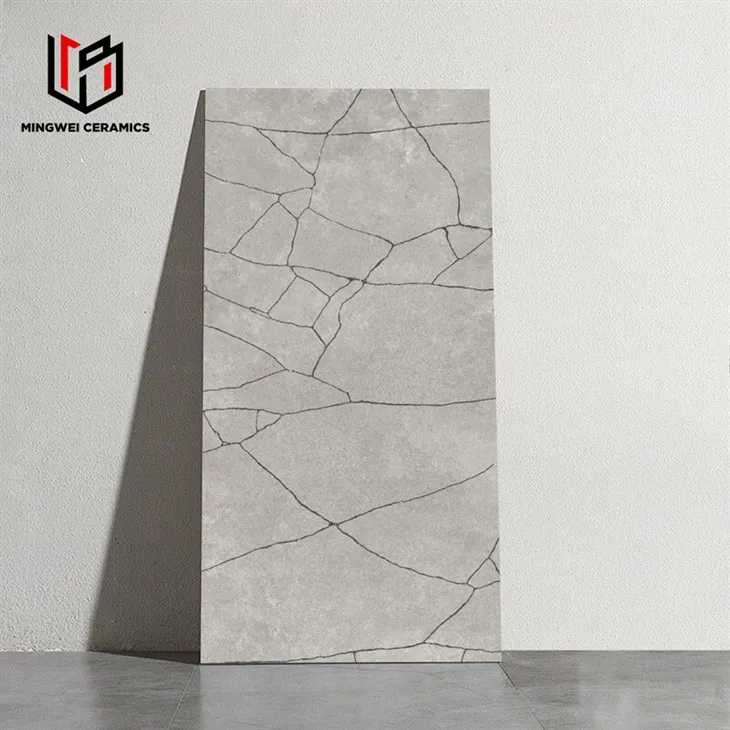
If you are looking for other types of matte ceramic tiles, we also offer a wide range of products, such as Cement Gray Matte Design Ceramic Tiles and Matte Mosaic Tile. Our Suitable For Hotels/LivingFloors/Walls, Classic Marble Matte Tiles in Factory are also a great option for various applications.
Conclusion
The chemical resistance of matte white tiles is an important consideration when choosing tiles for your project. By understanding the factors that affect chemical resistance, such as tile composition, glaze, and manufacturing process, you can select tiles that are suitable for your specific application.
As a supplier, we are committed to providing high - quality matte white tiles with excellent chemical resistance. Whether you are a homeowner, a designer, or a contractor, our tiles can meet your needs for durability, aesthetics, and performance.

If you are interested in our matte white tiles or have any questions about their chemical resistance, please feel free to contact us for a consultation. We look forward to discussing your project and helping you find the perfect tiles for your space.
References
- ASTM International. (20XX). Standard test methods for chemical resistance of ceramic tile and glass tile.
- Ceramic Tile Association of America. (20XX). Technical guide to ceramic tile.