

What is the difference between white ceramic and porcelain tiles?
Jun 26, 2025
Leave a message
When it comes to tiling options for various spaces, white ceramic tiles and porcelain tiles are two popular choices that often find themselves in the spotlight. As a supplier of White Ceramic Tile, I've had the privilege of witnessing the diverse applications and unique characteristics of these tiles. In this blog, I'll delve into the key differences between white ceramic and porcelain tiles, helping you make an informed decision for your next tiling project.
Composition and Manufacturing Process
The fundamental difference between white ceramic and porcelain tiles lies in their composition and the way they are manufactured. White ceramic tiles are typically made from a mixture of clay and other natural materials. The clay used in ceramic tiles is usually less refined compared to that used in porcelain tiles. During the manufacturing process, the clay mixture is formed into tiles and then fired at relatively lower temperatures, typically around 1,000 - 1,200 degrees Celsius. This firing process gives ceramic tiles their characteristic porous nature.
On the other hand, porcelain tiles are made from a more refined and denser clay mixture. The clay used in porcelain tiles is often a combination of kaolin clay and other minerals. These tiles are fired at much higher temperatures, ranging from 1,200 - 1,400 degrees Celsius. The high - firing temperature results in a more compact and less porous tile structure. The dense composition of porcelain tiles makes them more durable and resistant to moisture compared to white ceramic tiles.
Appearance
White ceramic tiles are known for their classic and clean look. They come in a wide range of finishes, including matte, glossy, and textured. The white color in ceramic tiles can vary from a pure, bright white to a more off - white or creamy tone. This versatility in color and finish allows for a variety of design options, making them suitable for both traditional and contemporary spaces. For example, a matte white ceramic tile can create a rustic and warm atmosphere in a farmhouse - style kitchen, while a glossy white ceramic tile can add a touch of elegance and modernity to a bathroom.
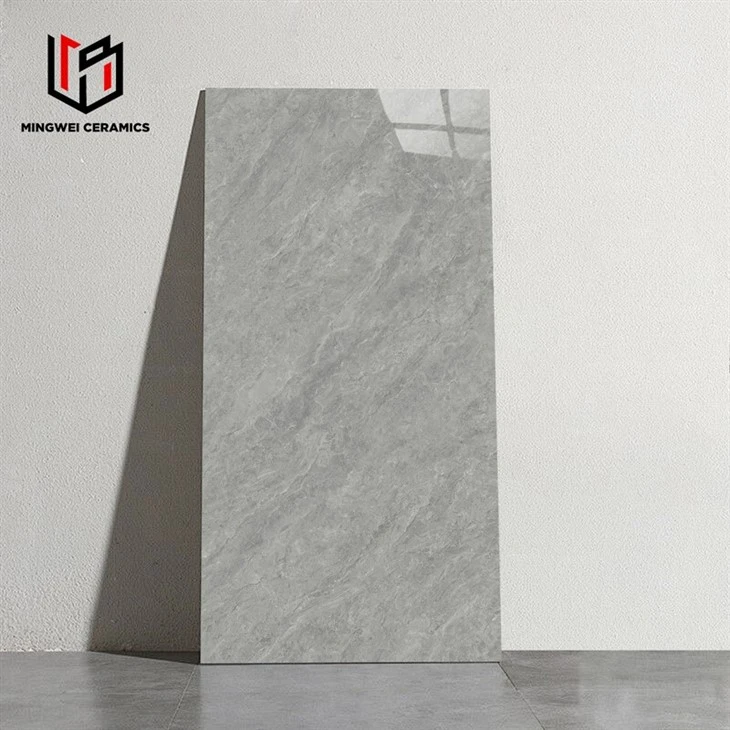
Porcelain tiles also offer a beautiful and sophisticated appearance. They can mimic the look of natural materials such as marble, wood, or stone with remarkable accuracy. In the case of white porcelain tiles, they can replicate the look of white marble, providing a luxurious and high - end aesthetic. Silver Vein Marble Polished Glazed Tiles are a great example of porcelain tiles that can bring the beauty of natural marble into your space. The polished finish of these tiles gives them a smooth and reflective surface, enhancing the overall visual appeal.
Durability and Resistance
One of the most significant differences between white ceramic and porcelain tiles is their durability. Porcelain tiles are generally more durable than white ceramic tiles due to their denser composition. They are less prone to cracking, chipping, and scratching, making them an excellent choice for high - traffic areas such as hallways, kitchens, and commercial spaces. Porcelain tiles also have a higher resistance to wear and tear over time, which means they will maintain their appearance and functionality for longer.
White ceramic tiles, while still relatively durable, are more porous and less resistant to damage compared to porcelain tiles. They are more likely to absorb stains and moisture, especially if they are not properly sealed. However, with regular maintenance and proper sealing, white ceramic tiles can still last for many years in low - to moderate - traffic areas. For example, in a bedroom or a powder room, white ceramic tiles can be a cost - effective and aesthetically pleasing option.
Moisture Resistance
Moisture resistance is another crucial factor to consider when choosing between white ceramic and porcelain tiles. Porcelain tiles have a very low water absorption rate, typically less than 0.5%. This makes them highly resistant to moisture, making them an ideal choice for wet areas such as bathrooms, showers, and outdoor spaces. The low water absorption rate also means that porcelain tiles are less likely to develop mold and mildew, which can be a health hazard.
White ceramic tiles, on the other hand, have a higher water absorption rate, usually between 3% - 10%. This makes them more susceptible to moisture damage, especially in areas where they are constantly exposed to water. In a bathroom, for instance, if white ceramic tiles are not properly sealed, water can seep into the tiles and cause them to crack or become discolored over time. However, in areas with minimal moisture exposure, such as a living room or a dining room, white ceramic tiles can still be a viable option.
Cost
Cost is often a deciding factor for many homeowners and contractors. White ceramic tiles are generally more affordable than porcelain tiles. The lower cost of white ceramic tiles is due to their less refined clay mixture and lower firing temperatures during the manufacturing process. This makes them a popular choice for budget - conscious projects. For example, if you are renovating a rental property or a small space, white ceramic tiles can provide a cost - effective solution without compromising on style.
Porcelain tiles, with their superior durability, moisture resistance, and high - end appearance, tend to be more expensive. The cost of porcelain tiles can vary depending on the quality, size, and finish of the tiles. However, the long - term benefits of porcelain tiles, such as their durability and low maintenance requirements, can make them a worthwhile investment, especially for high - traffic or wet areas.

Installation
The installation process for white ceramic and porcelain tiles is similar in many ways. Both types of tiles require a flat and stable surface for installation. However, due to the denser and heavier nature of porcelain tiles, they may require more skill and effort to install compared to white ceramic tiles. Porcelain tiles are also more likely to break during installation if not handled properly.
When installing white ceramic tiles, it is important to ensure that they are properly sealed after installation to prevent moisture absorption. This may involve applying a sealant to the grout lines and the surface of the tiles. For porcelain tiles, sealing is not always necessary due to their low water absorption rate, but it can still help to enhance the appearance and durability of the tiles.
Maintenance
Maintenance requirements for white ceramic and porcelain tiles also differ. White ceramic tiles require more regular maintenance to keep them looking their best. This includes cleaning up spills promptly to prevent stains, and periodically re - sealing the tiles to maintain their moisture resistance. The porous nature of white ceramic tiles means that they are more likely to accumulate dirt and grime over time, especially in high - traffic areas.
Porcelain tiles, on the other hand, are relatively low - maintenance. Their non - porous surface makes them easy to clean with just a damp mop and a mild detergent. They are also less likely to stain or discolor, which means less frequent cleaning and maintenance. However, it is still important to avoid using abrasive cleaners on porcelain tiles, as this can damage the surface finish.
In conclusion, both white ceramic and porcelain tiles have their own unique advantages and disadvantages. White ceramic tiles offer a cost - effective and versatile option for a variety of spaces, while porcelain tiles provide superior durability, moisture resistance, and a high - end appearance. When choosing between the two, it is important to consider factors such as the location of the tiling project, your budget, and your design preferences.
If you are interested in purchasing high - quality white ceramic tiles for your next project, I encourage you to reach out to discuss your specific needs. Our team of experts is ready to assist you in finding the perfect tiles for your space. Whether you are looking for a classic white ceramic tile or a more luxurious porcelain tile like our Glossy Soft Light Color Polished Tiles, we have a wide range of options to choose from. Contact us today to start your tiling journey!
References
- Ceramic Tile Institute of America. (2023). Ceramic Tile vs. Porcelain Tile: What's the Difference?
- National Tile Contractors Association. (2023). Guide to Tile Installation and Maintenance.