

How does the price of Blue Gold Ceramic Tile vary by size?
Oct 09, 2025
Leave a message
As a supplier of Blue Gold Ceramic Tile, I've witnessed firsthand the diverse demands and curiosities of our customers, especially regarding how the price of these exquisite tiles varies by size. In this blog, I'll delve into the factors that influence the pricing of Blue Gold Ceramic Tile based on size, providing you with a comprehensive understanding to help you make informed decisions for your projects.
Understanding the Basics of Blue Gold Ceramic Tile
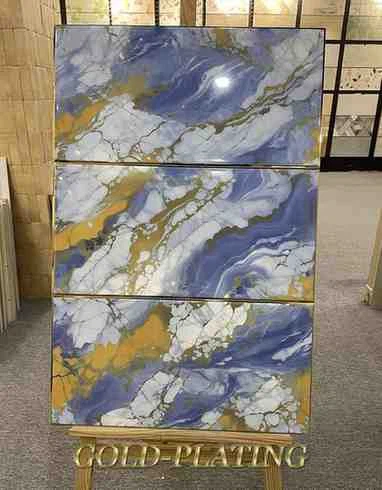
Blue Gold Ceramic Tile is renowned for its unique combination of elegance and durability. The tiles feature a stunning blue and gold color scheme that adds a touch of luxury to any space. They are crafted using advanced ceramic technology, ensuring high quality and resistance to wear and tear. Our product range includes various styles such as Double Style Glazed Gold Porcelain, Rainbow Golden Porcelain Glossy Tiles, and Black Gold Tiles, each offering a distinct aesthetic appeal.
Factors Affecting the Price by Size
1. Manufacturing Costs
One of the primary factors influencing the price of Blue Gold Ceramic Tile by size is the manufacturing cost. Larger tiles generally require more raw materials and longer production times. The process of shaping, firing, and glazing larger tiles is more complex and resource - intensive compared to smaller ones. For example, a larger tile may need a larger kiln space during the firing process, which increases energy consumption. Additionally, the risk of breakage during production is higher for larger tiles, which can further drive up the cost.
2. Transportation and Handling
Transportation and handling costs also play a significant role in determining the price of different tile sizes. Larger tiles are bulkier and heavier, which makes them more expensive to transport. They require special packaging to prevent damage during transit, and the shipping fees are often calculated based on weight and volume. Moreover, handling larger tiles at the warehouse and during installation is more labor - intensive, adding to the overall cost.
3. Market Demand
Market demand for different tile sizes can also impact the price. In some cases, smaller tiles may be more popular for certain applications, such as backsplashes or intricate designs, while larger tiles are preferred for open - plan areas like living rooms or commercial spaces. If the demand for a particular size is high, the price may be driven up due to limited supply. Conversely, if a size is less in demand, the supplier may offer it at a lower price to stimulate sales.
Price Comparison by Size
Let's take a closer look at how the price of Blue Gold Ceramic Tile can vary by size. We'll consider three common sizes: small (300x300mm), medium (600x600mm), and large (800x800mm).
Small Tiles (300x300mm)
Small tiles are often more affordable on a per - tile basis. They are relatively easy to manufacture and transport, and the risk of breakage is lower. However, when covering a large area, you'll need more small tiles, which can increase the overall cost. For example, if you're tiling a 10 - square - meter area with 300x300mm tiles, you'll need approximately 111 tiles. The cost per tile might be around $2, but the total cost for the area would be about $222.
Medium Tiles (600x600mm)
Medium - sized tiles offer a balance between cost and coverage. They are more efficient in covering larger areas compared to small tiles, reducing the number of tiles needed. A 600x600mm tile may cost around $5 per tile. To cover the same 10 - square - meter area, you'll need approximately 28 tiles, resulting in a total cost of about $140.
Large Tiles (800x800mm)
Large tiles are typically the most expensive on a per - tile basis. The higher manufacturing, transportation, and handling costs are reflected in the price. A single 800x800mm tile might cost around $8. To cover the 10 - square - meter area, you'll need approximately 16 tiles, and the total cost would be about $128. However, large tiles can create a more seamless and modern look, which may justify the higher cost for some customers.

Choosing the Right Size for Your Project
When selecting the size of Blue Gold Ceramic Tile for your project, it's essential to consider several factors.
Space and Layout
The size of the space you're tiling is a crucial factor. In small rooms, smaller tiles can make the space appear more cozy and detailed. On the other hand, large tiles can make a small room look more open and spacious by minimizing the number of grout lines. In large open - plan areas, large tiles are often the preferred choice as they create a continuous and sleek look.
Design and Aesthetic
Your design preferences also play a role. If you're going for a traditional or intricate design, small tiles may be more suitable as they allow for more detailed patterns. For a contemporary and minimalist look, large tiles are a better option.
Budget
Of course, your budget is an important consideration. While large tiles may offer a more premium look, they can be more expensive. If you're working with a limited budget, medium or small tiles may be a more cost - effective choice.
Conclusion
In conclusion, the price of Blue Gold Ceramic Tile varies by size due to a combination of manufacturing costs, transportation and handling expenses, and market demand. Each size has its own advantages and disadvantages in terms of cost, coverage, and aesthetic appeal. As a supplier, I'm committed to providing high - quality tiles at competitive prices and helping you choose the right size for your project.
If you're interested in purchasing Blue Gold Ceramic Tile or have any questions about our products, I encourage you to reach out to me. I'd be more than happy to discuss your project requirements and provide you with a detailed quote. Let's work together to bring your dream space to life with our beautiful Blue Gold Ceramic Tile.
References
- Ceramic Tile Industry Reports
- Internal cost analysis data from our manufacturing facilities
- Market research on tile demand and pricing trends