

What is the impact of glazed polished tiles on indoor air quality?
Oct 10, 2025
Leave a message
Hey there! As a supplier of glazed polished tiles, I've been getting a lot of questions lately about how these tiles impact indoor air quality. So, I thought I'd take a deep dive into this topic and share what I've learned.
First off, let's talk about what glazed polished tiles are. These tiles are made by applying a layer of glaze to the surface of ceramic or porcelain tiles and then polishing them to a smooth, shiny finish. They're popular for their sleek look and durability, and they're used in a wide range of indoor applications, from kitchens and bathrooms to living rooms and commercial spaces.
Now, when it comes to indoor air quality, there are a few key factors to consider. One of the main concerns is the release of volatile organic compounds (VOCs). VOCs are chemicals that can evaporate into the air at room temperature, and some of them can be harmful to human health. They can cause a variety of symptoms, including headaches, dizziness, nausea, and irritation of the eyes, nose, and throat. Long-term exposure to certain VOCs has also been linked to more serious health problems, such as cancer and damage to the liver, kidneys, and central nervous system.
So, do glazed polished tiles release VOCs? The short answer is that it depends. Some glazed polished tiles may contain small amounts of VOCs, especially if they're made with certain types of glazes or adhesives. However, many modern glazed polished tiles are manufactured to be low in VOCs or even VOC-free. This is because manufacturers are becoming more aware of the importance of indoor air quality and are taking steps to reduce the environmental impact of their products.
When I'm sourcing glazed polished tiles for my customers, I always look for products that have been tested and certified to meet strict environmental standards. For example, some tiles may carry the GreenGuard certification, which means they've been independently tested and verified to emit low levels of VOCs. This gives my customers peace of mind knowing that the tiles they're installing in their homes or businesses are safe for indoor use.
Another factor to consider is the potential for dust and debris. During the installation process, there's always a risk of generating dust from cutting and grinding the tiles. This dust can contain small particles of ceramic or porcelain, as well as any additives or contaminants that may be present in the tiles. Inhaling this dust can be harmful to your health, especially if you have respiratory problems like asthma or allergies.
To minimize the risk of dust exposure during installation, it's important to use proper dust control measures. This includes using wet cutting methods, which can help to suppress the dust, and wearing appropriate personal protective equipment, such as a dust mask and safety goggles. After the installation is complete, it's also a good idea to thoroughly clean the area to remove any remaining dust and debris.
In addition to VOCs and dust, glazed polished tiles can also have a positive impact on indoor air quality in some ways. For example, they're easy to clean and maintain, which means they're less likely to harbor dust, dirt, and allergens. This can be especially beneficial for people with allergies or respiratory problems.
Glazed polished tiles also have a smooth, non-porous surface, which makes them resistant to moisture and mold growth. Mold can release spores into the air, which can cause respiratory problems and other health issues. By choosing glazed polished tiles for areas that are prone to moisture, such as bathrooms and kitchens, you can help to prevent mold growth and improve indoor air quality.

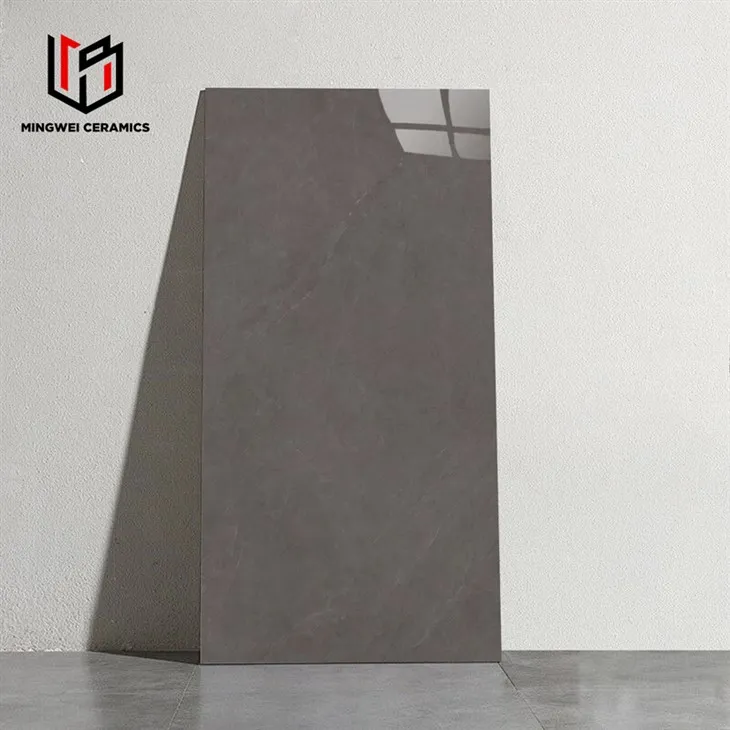
Now, let's take a look at some of the specific products I offer as a glazed polished tile supplier. One of our popular options is the Glossy Beige Natural Marble Ceramic Tiles. These tiles have a beautiful, natural marble look that can add a touch of elegance to any space. They're also low in VOCs and easy to clean, making them a great choice for indoor use.
Another option is the Stone-Effect Porcelain Tile (Carrara Marble Design). These tiles are designed to mimic the look of natural Carrara marble, but they're more durable and less expensive. They're also resistant to scratches, stains, and moisture, making them a practical choice for high-traffic areas.
If you're looking for something a little different, we also offer the Coffee Tone Polished Ceramic Glazed Floor Tiles. These tiles have a warm, coffee-colored finish that can add a cozy and inviting feel to your space. They're also easy to clean and maintain, and they're available in a variety of sizes and shapes to suit your needs.
In conclusion, glazed polished tiles can have both positive and negative impacts on indoor air quality. While some tiles may release small amounts of VOCs or generate dust during installation, many modern products are designed to be low in VOCs and easy to clean. By choosing high-quality glazed polished tiles that have been tested and certified to meet strict environmental standards, and by taking proper dust control measures during installation, you can minimize the potential risks and enjoy the many benefits that these tiles have to offer.
If you're interested in learning more about our glazed polished tile products or have any questions about how they can impact indoor air quality, I'd love to hear from you. Just reach out to me, and we can start a conversation about your specific needs and requirements. Whether you're a homeowner, a contractor, or a designer, I'm here to help you find the perfect glazed polished tiles for your project.
References
- GreenGuard Environmental Institute. (n.d.). GreenGuard Certification. Retrieved from [Website URL]
- Environmental Protection Agency. (2018). Volatile Organic Compounds' Impact on Indoor Air Quality. Retrieved from [Website URL]
- World Health Organization. (2009). Indoor Air Quality: Dampness and Mould. Retrieved from [Website URL]