

How thick are Soft Matte Wood Tiles?
Oct 10, 2025
Leave a message
Soft matte wood tiles have gained significant popularity in recent years due to their aesthetic appeal and practicality. As a supplier of these tiles, I often receive inquiries about their thickness. In this blog post, I'll delve into the various aspects related to the thickness of soft matte wood tiles, including standard measurements, factors influencing thickness, and how it impacts their performance and installation.
Standard Thickness of Soft Matte Wood Tiles
The thickness of soft matte wood tiles can vary depending on the manufacturer, the intended use, and the specific product line. Generally, soft matte wood tiles are available in a range of thicknesses, with the most common being between 4mm and 12mm.
For residential applications, thinner tiles in the range of 4mm to 6mm are often preferred. These thinner tiles are lightweight, making them easier to handle during installation. They are also suitable for areas where minimizing the additional height is crucial, such as when renovating an existing floor without major structural changes. For example, in a small apartment where space is limited, 4mm soft matte wood tiles can be a great choice as they won't add too much height to the floor, maintaining the overall ceiling height and creating a more spacious feel.
On the other hand, commercial settings usually require thicker tiles. Tiles with a thickness of 8mm to 12mm are more durable and can withstand higher foot traffic. In a busy office building or a retail store, the constant movement of people and equipment can put a lot of stress on the floor. Thicker soft matte wood tiles are better equipped to handle this wear and tear, ensuring a longer lifespan and reducing the need for frequent replacements.
Factors Influencing the Thickness of Soft Matte Wood Tiles
Several factors play a role in determining the appropriate thickness of soft matte wood tiles.
Subfloor Condition: The condition of the subfloor is a crucial factor. If the subfloor is uneven or has minor imperfections, a thicker tile can help to compensate for these irregularities. Thicker tiles are more forgiving and can provide a more stable surface. For instance, in an older building where the subfloor may have settled over time, a 10mm soft matte wood tile can be used to create a smooth and level floor.
Usage and Traffic: As mentioned earlier, the amount of foot traffic in an area is a significant consideration. High - traffic areas like hallways, entrances, and kitchens require thicker tiles for better durability. In a restaurant kitchen, where there is constant movement of staff, heavy equipment, and the risk of spills, a 12mm tile would be a wise choice. Conversely, in a less - used room like a guest bedroom, a thinner tile can suffice.
Installation Method: The installation method also affects the choice of tile thickness. Some installation methods, such as floating floors, are more suitable for thinner tiles. Floating floors are easy to install and do not require the tile to be glued directly to the subfloor. Thinner tiles can be more flexible and adapt well to this type of installation. In contrast, tiles that are glued down or installed with a mortar bed can be thicker, as the adhesive or mortar provides additional support.
Impact of Thickness on Performance and Installation
The thickness of soft matte wood tiles has a direct impact on their performance and the installation process.
Performance: Thicker tiles generally offer better sound insulation. They can reduce the noise transmitted through the floor, which is especially beneficial in multi - story buildings. If you live in an apartment building, a thicker soft matte wood tile can help to minimize the sound of footsteps from the floor above. Additionally, thicker tiles are more resistant to scratches and dents. In a home with pets or children, a thicker tile will be more likely to maintain its appearance over time.
Installation: Thinner tiles are easier to cut and shape, making them more suitable for DIY projects. They can be cut with basic tools such as a utility knife or a tile cutter. However, they may require more careful handling during installation to avoid breakage. Thicker tiles, while more durable, can be more challenging to install. They may require professional installation, especially in large areas, as they are heavier and more difficult to maneuver.
Related Products and Their Thickness
In addition to the standard soft matte wood tiles, there are other related products in the market. For example, Matte Gray Tiles and Matte Dark Tiles also come in various thicknesses. These tiles often follow similar thickness ranges as soft matte wood tiles, with options available for both residential and commercial use.
Another interesting product is the NHigh Quality Texture Craft Glue, Dry Marble Mixed Color Glazed Tiles. These tiles are known for their unique texture and appearance. The thickness of these tiles can vary depending on the specific design and intended application. Some may be thinner for decorative purposes, while others may be thicker for more functional use.
Conclusion
In conclusion, the thickness of soft matte wood tiles is an important consideration when choosing the right flooring for your space. Whether you are looking for a lightweight, easy - to - install option for a small residential area or a durable, thick tile for a high - traffic commercial space, there are options available to meet your needs. As a supplier of soft matte wood tiles, I am committed to providing high - quality products with a range of thicknesses to suit different applications.
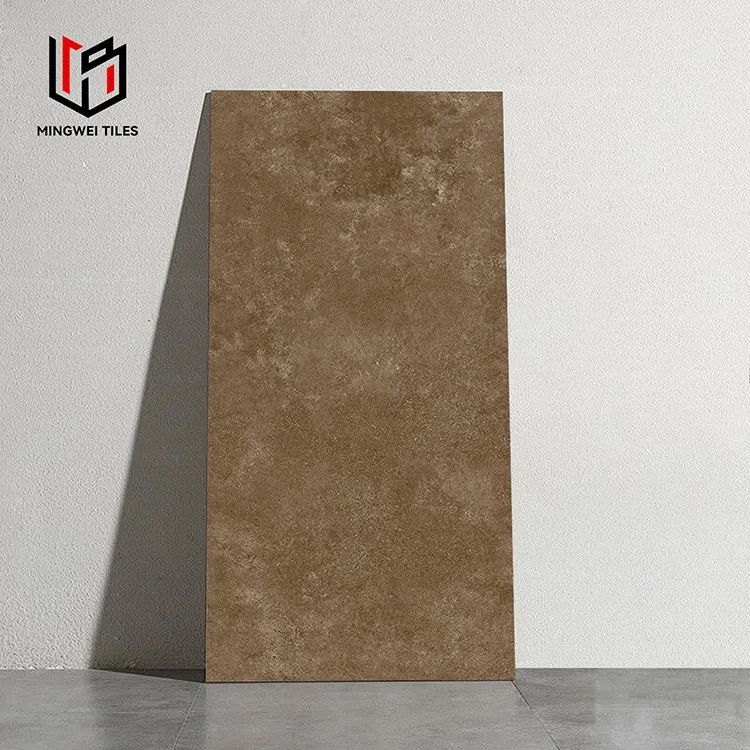

If you are interested in purchasing soft matte wood tiles or any of our related products, I encourage you to reach out for a procurement discussion. We can help you determine the most suitable thickness and product for your specific project.
References
- Tile Industry Association. (Year). Guide to Tile Thickness and Applications.
- Flooring Manufacturers Association. (Year). Best Practices for Soft Matte Wood Tile Installation.